


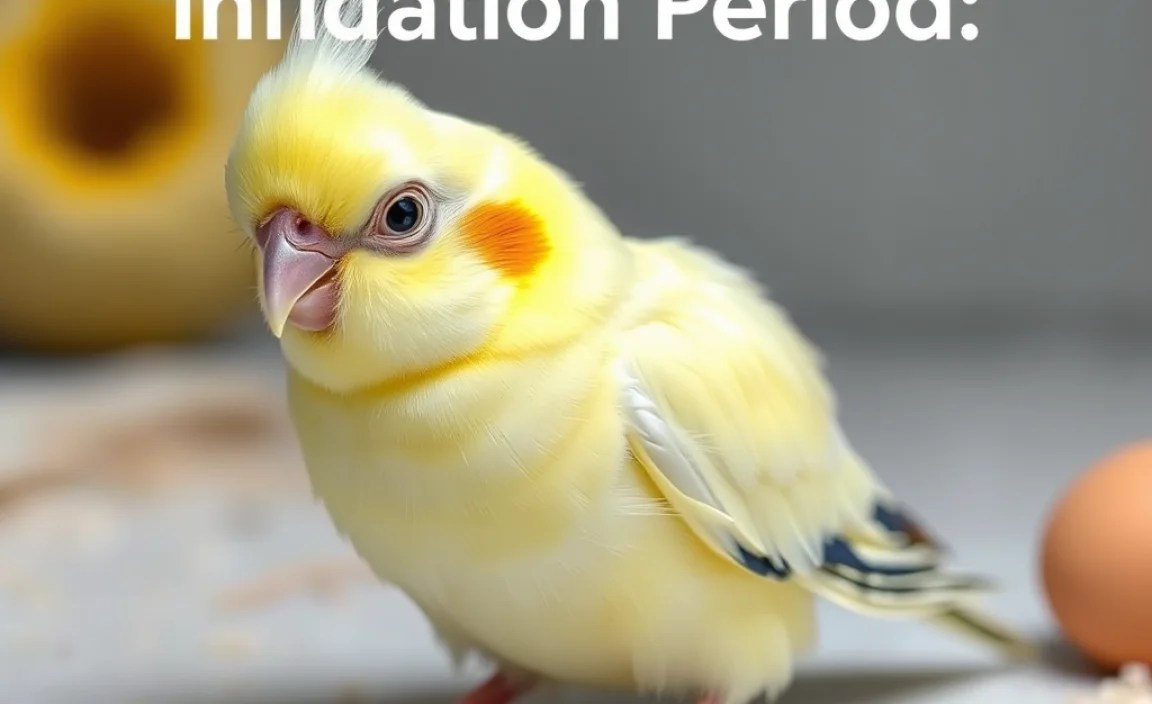
| Imagine peeking into a little nest where magic happens. Did you know that a cockatiel and its eggs can turn into a delightful surprise? Their journey starts with the tiny miracle of the incubation period. But how long does this exciting phase last for these charming birds? Each cockatiel egg holds a promise, and timing is crucial. In just a few weeks, fluffy chicks can emerge, ready to chirp and explore the world. This quick span is a flurry of change and wonder. The incubation period for cockatiel eggs can become a fascinating tale of life unfolding. It invites us to watch and learn from nature. Are you ready to dive into this captivating egg adventure? |


| Responsibilities | Signs of Healthy Incubation |
|---|---|
| Male: Day shift warmth Female: Nighttime cuddles |
Coos and calm behavior Both parents attending the nest. |
Keeping the nest at the right temperature is another task on their checklist. So next time you see them perched by the eggs, give them a thumbs up for their dedication!
Common Challenges During Incubation
Identifying and addressing infertility issues. Signs of eggbinding and how to resolve it.
Breeding cockatiels can be tricky. Sometimes, the eggs might not hatch due to infertility. How can you tell? If no baby comes after two weeks, the egg might not be fertile. Eggbinding is another problem. This is when the egg gets stuck. A cockatiel might look weak or sit a lot if it’s eggbound. What should you do? Try a little warmth or a vet visit to help. Breeders should watch over their birds for these signs to keep them healthy and happy.
Ensuring Healthy Chick Development Post-Hatching
Key care practices for newly hatched chicks. Monitoring growth and health milestones.
Newly hatched chicks need extra care. Keep them warm and cozy. A soft lighting nearby helps too. Give them special food, like baby bird formula. Check their weight daily to see if they’re growing well. Look at their feathers. Are they coming in nicely? Watch for signs of illness, like droopy wings or funny breathing. Celebrate small victories, like the first chirp or flap. With tender care, your little chick will thrive!
What is the best temperature for baby cockatiel chicks?
The ideal temperature for baby cockatiel chicks is around 95°F. Keep them warm with a safe heat source. As they grow, reduce the heat each week by 5°F. This helps them adjust to room temperatures gradually. Use a reliable thermometer to monitor the temperature.
Conclusion
The incubation period for cockatiel eggs usually lasts about 18-21 days. It’s essential to keep the eggs warm and check them often. If you’re caring for cockatiel eggs, always provide a safe and comfortable environment. To learn more, consider researching cockatiel care further or talk to a local bird expert. Happy bird-watching!
FAQs
How Long Is The Typical Incubation Period For Cockatiel Eggs, And What Factors Can Influence Its Duration?
The typical incubation period for cockatiel eggs is about 18 to 21 days. Things like temperature and humidity can change how long it takes. If it’s too cold or too hot, the eggs might take a bit longer or hatch sooner. It’s important to keep the eggs warm and safe during this time.
What Is The Best Temperature And Humidity Level To Maintain During The Incubation Period For Optimal Hatching Of Cockatiel Eggs?
To help cockatiel eggs hatch well, keep the temperature around 99.5 degrees Fahrenheit (about 37.5 degrees Celsius). Make sure the humidity, or the air’s wetness, is around 50-55%. These conditions make the eggs feel safe and warm, like a cozy blanket. Check these levels often to give the baby birds the best chance.
How Can You Determine If A Cockatiel Egg Is Fertile And Properly Developing During The Incubation Period?
You can check if a cockatiel egg is fertile by “candling” it. Candling means you gently shine a flashlight through the egg. Look for red lines, which are tiny blood vessels. If you see these lines, the egg is developing well. It’s like seeing a baby picture inside the egg.
What Are Some Common Issues That Can Occur During The Incubation Period Of Cockatiel Eggs, And How Can They Be Addressed?
When we incubate cockatiel eggs, some problems can happen. The eggs might not stay warm enough, so we need to keep them cozy. Sometimes eggs don’t get enough moisture, so we add water to the incubator. If eggs aren’t turned enough, tiny chicks inside can get stuck. Gently turn the eggs a few times daily to help them grow strong.
What Role Does The Parent Cockatiel Play During The Incubation Period, And How Can You Support Them To Ensure Successful Hatching?
During the incubation period, parent cockatiels take turns sitting on eggs to keep them warm. To support them, you can make sure they have a quiet, safe place away from noise and other pets. Provide fresh food and water every day to keep them healthy. We can also check the nest for anything dirty and clean it gently. This way, the baby birds have a better chance to hatch safely!
Comments