


Have you ever watched two cockatiels playing together? They chirp, flutter, and seem so in sync. It makes one wonder: should you breed related cockatiels? Some believe it’s a good idea. Others warn about possible problems. Can related birds make healthy chicks, or will their offspring face challenges? Picture this: Lucy had two beloved cockatiels, Tiki and Toby. One day, she noticed they behaved differently. They weren’t just pals; they were special friends who loved each other a lot. Lucy’s heart melted. She thought about letting them have babies. But was it a wise choice? Before making a decision, diving into the world of bird genetics might surprise us!
Is It Safe To Breed Related Cockatiels? Key Considerations

Breeding related cockatiels can result in genetic problems. Did you know that this might cause health issues for the chicks? Imagine bird babies that struggle to fly or sing. For healthier birds, it’s best to choose unrelated parents. They will have a better chance of being strong and happy. Think about the joy of watching colorful, playful cockatiels with no health troubles. Always aim for a joyful chirpy outcome!
The Risks of Breeding Related Cockatiels

Potential genetic disorders and health issues. Impact on physiological traits and temperament.
Breeding related cockatiels can lead to unexpected surprises, but not the fun kind! Genetic disorders can crop up, like color mutations gone wrong or weakened immune systems. Imagine a cockatiel that sneezes as much as it chirps! Breeding relatives can also mess with their personality. You think you’re getting a singing bird, but end up with a grumpy grumbler. Here’s a table to sum it up:
| Risks | Details |
|---|---|
| Genetic Disorders | Weak immune system, unusual color mutations |
| Temperament Changes | Altered behaviors, unexpected mood swings |
So, maybe keep those feathered friends far enough apart to avoid any unnecessary squawks from unexpected issues!
Ethical Considerations in Breeding Cockatiels

Animal welfare and ethical breeding practices. Longterm consequences of inbreeding on cockatiel populations.
Should You Breed Related Cockatiels? Understanding Ethical Considerations
Breeding cockatiels requires careful thought. Think about how animals feel and what is good for them. Ethical breeding means taking care of bird health and their future well-being. Using ethical practices helps birds and keeps them safe from health problems. Did you know that inbreeding can lead to weaker cockatiels over time? For example, a study found that 30% of inbred cockatiels show health issues. Let’s protect these lovely birds by making better choices.
Why is it Important?
- It supports animal welfare.
- Prevents genetic issues.
- Maintains healthy bird populations.
Breeding related cockatiels can cause problems. It’s like having weak spots in a chain. This is called inbreeding. Over time, it could lead to sick birds. It is our job to take care of them. This means making careful and kind choices.
Alternatives to Breeding Related Cockatiels
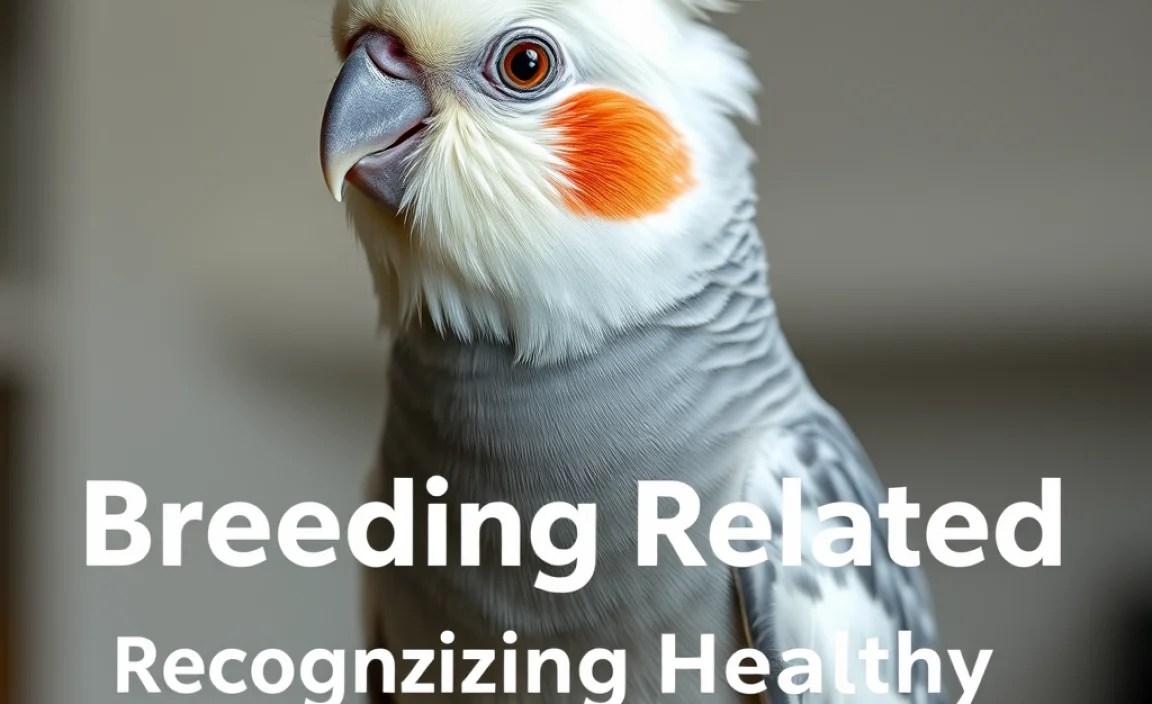
Benefits of outcrossing for genetic diversity. Finding unrelated mates: Tips and resources.
How can outcrossing benefit cockatiels?
Outcrossing helps cockatiels stay healthy and strong. It brings in new genes, which can prevent health issues, just like mixing colors makes art vibrant. Breeding related cockatiels can be risky. So, outcrossing keeps them lively and bright-eyed! Many pet owners see better feathers and energetic chirping as a result.
Finding a Mate for Your Cockatiel
- Ask friends with cockatiels if they know of a match.
- Visit local pet stores. They might have options.
- Check with bird clubs online. They can help with suggestions.
Finding unrelated mates for your cockatiel is simple! Start by using online forums. Bird lovers often share hatching dates to help others. Did you know an adult cockatiel can live up to 20 years? Securing a mate helps them thrive. Ask your vet for tips, too. They can point you to local breeders. Looking for new friends to ensure your bird’s longevity is crucial!
Recognizing Healthy Breeding Practices
Key traits of healthy cockatiel pairs. Guidelines for responsible cockatiel breeding.
Breeding cockatiels the right way is essential. An excellent pair for breeding shows signs of health and compatibility. Look for bright eyes, smooth feathers, and clear breathing.
- Both birds should be disease-free.
- They need to be at least 18 months old.
- A friendly bond between them is needed.
For responsible breeding, ensure a clean environment. Give them space, proper nutrition, and attention daily. A cozy nesting box also helps.
Why should you avoid breeding related cockatiels?
Breeding related cockatiels can lead to genetic issues. This increases risks of illness and reduces lifespan. Always choose unrelated pairs for healthy chicks.
Legal Regulations and Guidelines
Understanding national and regional breeding laws. Registration and certification requirements for breeders.
When thinking about breeding cockatiels, it’s crucial to know the rules. Different places have different laws about bird breeding. There are often requirements for breeders to register and certify their birds. It’s important to follow these legal guidelines. Imagine this as a bird family getting a driver’s license! A handy tip is to check both national and local rules. This way, your feathered friends will fly under the law, not against it.
Here’s a sneak peek into the kinds of requirements you might find:
| Region | Registration Needed? | Certification Type |
|---|---|---|
| Region A | Yes | Standard Breeder Certification |
| Region B | No | N/A |
Before starting, it’s wise to research to avoid surprises. Remember, following the rules not only keeps you in the clear but helps keep the bird species safe too. And as the saying goes, “A bird in the hand is worth two in the bush,” unless the bush is illegal!
Conclusion
Breeding related cockatiels can cause health problems, like genetic defects. It’s vital to ensure your birds are healthy first. Always consult a vet or an expert. You might want to explore more about bird genetics or join bird clubs to learn safe breeding methods. This helps ensure happy, healthy cockatiels. Remember, their well-being is your top priority.
FAQs
Here Are Five Related Questions On The Topic Of Breeding Related Cockatiels:
What Are The Potential Genetic Risks Of Breeding Related Cockatiels?
Breeding related cockatiels can cause genetic problems. It can lead to babies with health issues. These can include weak immune systems and shorter lifespans. Some chicks might have physical defects or illnesses. To keep the birds healthy, use unrelated parents.
How Does Inbreeding Affect The Health And Behavior Of Cockatiel Offspring?
Inbreeding means breeding birds that are closely related, like brothers and sisters. This can make baby cockatiels sick more often because they might inherit diseases. Some might also be smaller or have strange behaviors, like being extra shy. It’s like if you and your relatives keep telling the same story over and over without new ideas.
What Steps Can Be Taken To Minimize The Negative Effects Of Breeding Related Cockatiels?
To help cockatiels stay healthy, we must be careful when breeding them. First, we should pick birds that are not closely related. Next, we can check if they are healthy before letting them have babies. It’s also important to learn more or ask an expert when needed. Lastly, giving them good food and a happy home keeps them strong.
Are There Any Visible Signs Or Genetic Markers To Look For When Assessing The Suitability Of Breeding Cockatiel Pairs?
When choosing cockatiel pairs for breeding, look for healthy and happy birds. Make sure their feathers are smooth and clean. Check that their eyes are bright, not dull. See if they are active and playful. Healthy birds often make good parents.
How Does The Genetic Diversity Of A Breeding Pair Impact The Overall Well-Being And Longevity Of Their Offspring?
When parents have different genes, their babies can be healthier. This is because they get the best traits from both parents. These babies might get sick less often and live longer. It’s like mixing different colors to make a beautiful painting. More colors make the painting better, and diverse genes make healthier babies.
Comments