


Have you ever wondered if your feathered friend will chat with you? Many people dream of having a talking bird. It’s fun to imagine a parrot saying hello. But *how to know my bird will talk or not* can be tricky. Some birds are more likely to talk than others. Let’s explore what makes a bird a potential chatterbox.
Birds are amazing. They bring joy and color to our lives. Wouldn’t it be cool if your bird could talk? You might wonder if your bird has the gift of gab. Keep reading to learn the secrets of chatty birds.
Key Takeaways
- Early training and interaction greatly improve a bird’s chances of talking.
- Some bird species, like African Greys, are naturally more inclined to talk.
- Paying attention to a bird’s vocalizations can give clues about its potential.
- The younger the bird, the easier it is to teach them new words and phrases.
- Consider these factors to know *how to know my bird will talk or not*.
How to Tell if Your Bird Will Talk
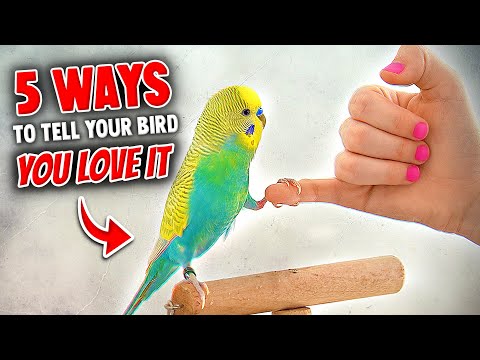
5 Ways to Tell Your Bird You Love It

Want to know if your bird will talk? It’s a common question for bird owners. Some birds are natural talkers. Others need a little encouragement. Many things can affect a bird’s ability to talk. These include species, age, and training. A bird’s personality also plays a role. Some birds are just more outgoing than others. Talking isn’t just about repeating words. It’s about connecting with your bird. It’s about sharing moments and creating a bond. Do you spend a lot of time with your bird? Do you talk to your bird often? Answering these questions can help you guess if your bird will talk. Training and patience are key. With the right approach, your bird might surprise you with a new word.
- Look for birds known for talking, like parrots.
- Start training when your bird is young.
- Talk to your bird often and clearly.
- Use positive reinforcement, like treats.
- Be patient and consistent with training.
- Pay attention to your bird’s vocalizations.
Teaching your bird to talk can be a fun adventure. It takes time and dedication. But the rewards are worth it. Imagine hearing your bird say your name. Or repeating a funny phrase. It’s a special connection that you can share. Remember, every bird is different. Some learn quickly, while others take their time. Don’t get discouraged if your bird doesn’t talk right away. Keep interacting and teaching. Your bird might surprise you one day. The key is to create a loving and stimulating environment. One where your bird feels comfortable and happy. This will increase the chances of your bird finding its voice.
Fun Fact or Stat: African Grey parrots are known to have the vocabulary of a five-year-old child!
Does My Bird Mimic Sounds?
Does your bird already mimic sounds? This is a great sign. It means your bird is paying attention. It also shows they can learn. Mimicking sounds is the first step to talking. Do you hear your bird copying the doorbell? Or maybe the microwave? These are good signs. It means your bird is listening and learning. Encourage this behavior by repeating words. Use them in context. For example, say “hello” when you approach the cage. Your bird might start to associate the word with the action. Mimicking is a natural behavior for many birds. It’s how they communicate in the wild. By mimicking human speech, they’re trying to connect with you.
Is My Bird Still Young?
Is your bird still young? Younger birds are often easier to train. Their brains are more flexible. They are more open to learning new things. Think of it like teaching a child. It’s easier to teach them when they’re young. The same is true for birds. A young bird is like a blank slate. You can mold its behavior more easily. Start training your bird as soon as possible. This will give you the best chance of success. Even older birds can learn. But it might take more time and patience. Don’t give up if your bird is older. Keep interacting and teaching. You never know what they might learn.
How Much Time Do I Spend With My Bird?
How much time do you spend with your bird? This is a very important question. Birds are social creatures. They need interaction and attention. The more time you spend with your bird, the better. This will help them bond with you. It will also increase their chances of talking. Talk to your bird often. Even if they don’t understand you, they’re listening. They are learning the sounds of your voice. Read to your bird. Sing to your bird. Just spend time with them. A close bond will make training easier. Your bird will be more motivated to learn. They will want to please you. This is a key factor in *how to know my bird will talk or not*.
What Bird Species Are Most Likely To Talk?

Some bird species are more likely to talk. Parrots are known for their talking abilities. African Greys are famous for their large vocabularies. Budgies and cockatiels can also learn to talk. Macaws and Amazons are also good talkers. But not all birds of these species will talk. It depends on their individual personality. It also depends on how much training they receive. Even within a species, some birds are more talkative than others. So, choosing a talking bird species is a good start. But it’s not a guarantee. You still need to put in the time and effort. To train your bird and create a bond. Remember, *how to know my bird will talk or not* also depends on you.
- African Grey parrots are top talkers.
- Budgies can learn many words.
- Cockatiels mimic sounds easily.
- Macaws are intelligent and talkative.
- Amazon parrots have clear speech.
- Indian Ringnecks are good mimics.
Consider the bird’s natural ability to mimic sounds. This is a good indicator of their potential. Some birds are just naturally more inclined to copy sounds. This makes them easier to train. Research different bird species. Learn about their talking abilities. This will help you choose the right bird for you. But don’t choose a bird based solely on its talking ability. Consider its personality and needs. Make sure you can provide a good home for the bird. A happy and healthy bird is more likely to talk. So, focus on providing a loving and stimulating environment. This will give your bird the best chance of success.
Fun Fact or Stat: Budgies can learn over 1,700 words!
Parrots: The Talking Champions
Parrots are the talking champions of the bird world. They are known for their ability to mimic human speech. Some parrots can even hold conversations. They can understand the meaning of words. This makes them fascinating pets. But owning a parrot is a big responsibility. They need a lot of attention and care. They also need a stimulating environment. Without these things, they can become bored and destructive. If you’re thinking of getting a parrot, do your research. Learn about their specific needs. Make sure you can provide a good home for them. Parrots can live for many years. So, it’s a long-term commitment.
Budgies: Small Birds, Big Talkers
Budgies are small birds, but they are big talkers. They can learn many words and phrases. They have a high-pitched voice. But their speech can be clear. Budgies are also relatively easy to train. This makes them a good choice for beginners. They are also social birds. They enjoy interacting with their owners. If you want a talking bird that’s easy to care for, consider a budgie. They are fun and entertaining pets. They can bring a lot of joy to your life. Just be prepared for a lot of chatter.
Other Talking Bird Contenders
Besides parrots and budgies, other birds can talk. Cockatiels are good mimics. They can learn to say a few words. Mynah birds are also known for their talking abilities. They have a clear and distinct voice. But they are not as common as parrots or budgies. If you’re looking for a less common talking bird, consider a mynah bird. They are intelligent and interesting pets. They need a lot of attention and care. But they can be very rewarding to own. Do your research before getting one. Make sure you can provide a good home.
What Kind of Training Helps Birds Talk?

Training is key to teaching a bird to talk. Start with simple words and phrases. Repeat them often. Use positive reinforcement. Give your bird a treat when they say a word correctly. Be patient and consistent. It takes time for a bird to learn. Don’t get discouraged if they don’t talk right away. Keep practicing. Create a fun and engaging environment. This will make learning easier. Use visual aids. Show your bird pictures of the objects you’re naming. This will help them associate the word with the object. Training should be a positive experience. It should be something you both enjoy. This will strengthen your bond and make learning more effective. That is important for *how to know my bird will talk or not*.
- Use positive reinforcement with treats.
- Repeat words and phrases often.
- Be patient and consistent with training.
- Create a fun learning environment.
- Use visual aids like pictures.
- Keep training sessions short and frequent.
Consistency is very important in bird training. Set aside a specific time each day for training. This will help your bird get into a routine. It will also make it easier for you to remember to train them. Keep training sessions short. Birds have short attention spans. A few minutes of training is better than a long, drawn-out session. End each training session on a positive note. Even if your bird only learns one new word, praise them. This will encourage them to keep learning. Remember, training is a marathon, not a sprint. It takes time and dedication. But with patience and consistency, you can teach your bird to talk.
Fun Fact or Stat: Birds learn best in short, frequent training sessions!
Using Repetition and Rewards
Repetition and rewards are powerful tools for bird training. Repeat words and phrases often. This will help your bird learn them. Use rewards to reinforce good behavior. Give your bird a treat when they say a word correctly. This will motivate them to keep learning. Choose rewards that your bird loves. This could be a favorite treat or toy. Be consistent with your rewards. Always reward your bird when they say a word correctly. This will help them associate the word with the reward. Repetition and rewards are a winning combination for bird training.
Making It a Game
Make training a game. This will make it more fun for both you and your bird. Use toys and games to teach new words. For example, hide a treat under a cup. Ask your bird “Where’s the treat?” When they find the treat, praise them. This will help them associate the word “treat” with the object. You can also use flashcards. Show your bird a picture of an object. Say the name of the object. Then, ask your bird to repeat the name. Make it fun and engaging. Your bird will be more likely to learn.
Be Patient and Understanding
Be patient and understanding with your bird. Learning takes time. Don’t get frustrated if your bird doesn’t learn right away. Every bird learns at its own pace. Some birds are quick learners. Others take more time. Be patient and supportive. Celebrate small victories. Even if your bird only learns one new word, praise them. This will encourage them to keep learning. Don’t compare your bird to other birds. Every bird is unique. Focus on your bird’s progress. Be proud of their accomplishments. A positive attitude will make training more enjoyable for both of you.
What Else Affects a Bird’s Ability to Talk?

Many things can affect a bird’s ability to talk. A bird’s environment plays a big role. A stimulating environment can encourage talking. A boring environment can discourage it. A bird’s health is also important. A sick bird is less likely to talk. Stress can also affect a bird’s ability to talk. A stressed bird may be less receptive to training. Your relationship with your bird matters. A close bond can make training easier. A distant relationship can make it harder. *How to know my bird will talk or not* also depends on these factors. So, create a good environment for your bird. Take care of their health. And build a strong bond with them.
- A stimulating environment encourages talking.
- Good health is important for learning.
- Stress can hinder a bird’s ability to talk.
- A strong bond makes training easier.
- Regular interaction is key to success.
- The bird’s diet can affect its energy.
Consider the bird’s diet. A healthy diet can provide the energy needed for learning. Feed your bird a balanced diet of seeds, fruits, and vegetables. Avoid giving them too many treats. This can lead to health problems. Make sure your bird has access to fresh water at all times. A healthy bird is a happy bird. And a happy bird is more likely to talk. Pay attention to your bird’s body language. This can give you clues about their mood. If your bird seems stressed or unhappy, try to identify the cause. Remove the stressor. Create a calm and relaxing environment for your bird. This will help them feel safe and secure.
| Factor | Positive Effect | Negative Effect |
|---|---|---|
| Environment | Stimulating, interactive | Boring, isolated |
| Health | Good physical condition | Illness, weakness |
| Stress | Calm, relaxed | Anxious, fearful |
| Bond | Close, affectionate | Distant, neglected |
Fun Fact or Stat: Birds in stimulating environments learn words faster!
The Importance of a Good Environment
A good environment is very important for a bird’s well-being. It’s also important for their ability to talk. A stimulating environment can encourage them to learn. Provide your bird with plenty of toys. Rotate the toys regularly to keep them interested. Give them opportunities to interact with you. Talk to them. Play with them. Provide them with a view of the outside world. A window is a great source of entertainment. A boring environment can discourage learning. So, make sure your bird has a stimulating and enriching environment.
How Health Impacts Talking Ability
Health can impact a bird’s ability to talk. A sick bird will not have the energy to learn. Make sure your bird is healthy. Take them to the vet for regular checkups. Feed them a balanced diet. Provide them with clean water. Keep their cage clean. Prevent them from being exposed to toxins. A healthy bird is more likely to be a talkative bird. If you notice any signs of illness, take your bird to the vet immediately.
Reducing Stress for a Happier Bird
Reducing stress can make your bird happier. It can also improve their ability to talk. Stress can hinder learning. Identify the stressors in your bird’s environment. Remove them if possible. Provide your bird with a safe and secure environment. Make sure they have a place to retreat to when they feel scared. Avoid sudden movements or loud noises. These can startle your bird. Be gentle and patient with your bird. A happy and relaxed bird is more likely to be a talkative bird.
How Can I Encourage My Bird to Talk More?
Encouraging your bird to talk more takes time. Talk to your bird frequently. Even if they don’t understand you, they’re listening. Use a clear and consistent voice. Repeat words and phrases often. Sing songs to your bird. Read books to your bird. Play games with your bird. Make learning fun. Use positive reinforcement. Reward your bird when they say a word correctly. Be patient and understanding. Every bird learns at its own pace. Don’t get discouraged if your bird doesn’t talk right away. Keep interacting and teaching. Your bird might surprise you one day. Remember, *how to know my bird will talk or not* involves consistent effort.
- Talk to your bird frequently.
- Use a clear, consistent voice.
- Repeat words and phrases often.
- Sing songs and read books.
- Play interactive games.
- Use positive reinforcement.
Create a positive and supportive environment. This will encourage your bird to talk. Avoid punishing your bird. This will only make them scared and stressed. Focus on rewarding good behavior. Celebrate small victories. Even if your bird only learns one new word, praise them. This will encourage them to keep learning. Be patient and persistent. It takes time for a bird to learn to talk. But with consistent effort, you can help your bird find its voice. Remember, the bond you share with your bird is more important than talking. So, focus on building a strong and loving relationship.
Fun Fact or Stat: Birds learn faster when they feel loved and secure!
Creating a Positive Learning Environment
Creating a positive learning environment is key to success. Make sure your bird feels safe and secure. Provide them with a comfortable and stimulating environment. Avoid distractions during training sessions. Focus on your bird. Give them your full attention. Be patient and understanding. Don’t get frustrated if they don’t learn right away. Celebrate small victories. Even if they only learn one new word, praise them. A positive attitude will make learning more enjoyable for both of you.
Using Games and Toys
Use games and toys to make learning fun. Birds love to play. Use this to your advantage. Choose toys that encourage vocalization. For example, toys that make noise. Or toys that require your bird to interact with you. Play games that involve repeating words. For example, hide a treat under a cup. Ask your bird “Where’s the treat?” When they find the treat, praise them. This will help them associate the word “treat” with the object. Games and toys can make learning more engaging and effective.
Consistent Interaction Is Key
Consistent interaction is very important. The more you interact with your bird, the more likely they are to talk. Talk to your bird every day. Even if it’s just for a few minutes. Use a clear and consistent voice. Repeat words and phrases often. Sing songs to your bird. Read books to your bird. Play games with your bird. The more you interact with your bird, the stronger your bond will become. And the stronger your bond, the more likely they are to talk.
What If My Bird Doesn’t Talk?
What if your bird doesn’t talk? Don’t be discouraged. Not all birds talk. Even if you have a talking bird species. Every bird is different. Some birds are just not inclined to talk. That’s okay. There are many other ways to bond with your bird. Focus on other forms of communication. Learn to understand your bird’s body language. Spend time playing with your bird. Provide them with a loving and stimulating environment. The most important thing is to build a strong bond with your bird. Talking is just one way to connect. There are many other ways to show your love and affection. Don’t worry about *how to know my bird will talk or not*. Just enjoy your bird’s company.
- Not all birds will talk, and that’s okay.
- Focus on other ways to bond with your bird.
- Learn to understand their body language.
- Provide a loving and stimulating home.
- Enjoy your bird’s unique personality.
- Celebrate other talents they may have.
Consider your bird’s personality. Some birds are naturally shy and quiet. They may not be comfortable talking. Other birds are more outgoing and talkative. Accept your bird for who they are. Don’t try to force them to talk if they don’t want to. Focus on building a strong and loving relationship. This is more important than talking. Enjoy your bird’s unique personality. Celebrate their other talents. Maybe they’re good at mimicking sounds. Or maybe they’re good at learning tricks. Focus on their strengths. And appreciate them for who they are.
Fun Fact or Stat: A strong bond with your bird is more important than talking!
Appreciating Other Bird Talents
Appreciating other bird talents is very important. Not all birds are good talkers. But they may have other talents. Maybe your bird is good at mimicking sounds. Or maybe they are good at learning tricks. Focus on their strengths. Celebrate their accomplishments. This will help you build a strong bond with your bird. And it will make you appreciate them even more. Don’t focus solely on talking. There are many other ways to connect with your bird.
Bonding Through Other Activities
Bonding through other activities is another way to connect. Spend time playing with your bird. Provide them with toys and games. Teach them tricks. Groom them. Sing to them. Read to them. The more time you spend with your bird, the stronger your bond will become. And the stronger your bond, the happier your bird will be. Don’t focus solely on talking. There are many other ways to show your love and affection.
Enjoying Your Bird’s Company
Enjoying your bird’s company is the most important thing. Don’t focus on whether or not they talk. Just enjoy their presence. Appreciate their beauty. Admire their intelligence. Cherish their companionship. Your bird is a special and unique creature. Enjoy every moment you spend with them. Their presence in your life is a gift. Appreciate it. The joy of having a bird is not just about talking.
Summary
So, *how to know my bird will talk or not*? There’s no sure way to know. Some bird species are more likely to talk. Training and environment also play a role. Start training your bird early. Use positive reinforcement. Create a stimulating environment. Be patient and consistent. But remember, not all birds talk. And that’s okay. Focus on building a strong bond with your bird. Enjoy their unique personality. Appreciate their other talents. The most important thing is to provide a loving and caring home. Whether or not your bird talks, they will bring joy to your life. The bond you share is what truly matters.
Conclusion
Having a talking bird can be fun. But talking is not the only way to connect with your pet. Training, environment, and species all play a role. Focus on building a strong bond with your bird. Enjoy their unique personality. Love them for who they are. That’s the best way to enjoy bird ownership. Don’t stress about *how to know my bird will talk or not*. Just cherish the time you have together.
Frequently Asked Questions
Question No 1: Which birds are most likely to talk?
Answer: Some bird species are known for their talking abilities. These include African Grey parrots, budgies, cockatiels, macaws, and Amazon parrots. However, not all birds of these species will talk. It depends on their individual personality. It also depends on how much training they receive. Some birds are just naturally more inclined to talk than others. So, choosing a talking bird species is a good start. But it’s not a guarantee that they will talk. You still need to put in the time and effort to train your bird and create a bond.
Question No 2: How early should I start training my bird to talk?
Answer: It’s best to start training your bird to talk as early as possible. Younger birds are more receptive to learning new things. Their brains are more flexible. They are more open to new experiences. Start with simple words and phrases. Repeat them often. Use positive reinforcement. Reward your bird when they say a word correctly. Be patient and consistent. It takes time for a bird to learn. Don’t get discouraged if they don’t talk right away. Keep practicing. Even older birds can learn. But it might take more time and patience. So, early training is best, but it’s never too late to start. The younger, the better when determining *how to know my bird will talk or not*.
Question No 3: What kind of environment helps a bird talk?
Answer: A stimulating environment can encourage a bird to talk. Provide your bird with plenty of toys. Rotate the toys regularly to keep them interested. Give them opportunities to interact with you. Talk to them. Play with them. Provide them with a view of the outside world. A boring environment can discourage learning. So, make sure your bird has a stimulating and enriching environment. A good environment is also safe and secure. Avoid sudden movements or loud noises. These can startle your bird. Be gentle and patient with your bird. A happy and relaxed bird is more likely to be a talkative bird. These factors help *how to know my bird will talk or not*.
Question No 4: What if my bird mimics sounds but doesn’t say words?
Answer: Mimicking sounds is a good sign. It means your bird is paying attention. It also shows they can learn. Mimicking sounds is the first step to talking. Encourage this behavior by repeating words. Use them in context. For example, say “hello” when you approach the cage. Your bird might start to associate the word with the action. Be patient and persistent. It takes time for a bird to learn to say words. But if they’re already mimicking sounds, they’re on the right track. Keep interacting and teaching. Your bird might surprise you one day. Mimicking is a great first step to see *how to know my bird will talk or not*.
Question No 5: How important is my bond with my bird for talking?
Answer: Your relationship with your bird is very important. A close bond can make training easier. A distant relationship can make it harder. Birds are social creatures. They need interaction and attention. The more time you spend with your bird, the better. This will help them bond with you. It will also increase their chances of talking. Talk to your bird often. Even if they don’t understand you, they’re listening. They are learning the sounds of your voice. A strong bond with your bird is crucial for *how to know my bird will talk or not*.
Question No 6: What should I do if my bird never talks?
Answer: If your bird never talks, don’t be discouraged. Not all birds talk. And that’s okay. There are many other ways to bond with your bird. Focus on other forms of communication. Learn to understand your bird’s body language. Spend time playing with your bird. Provide them with a loving and stimulating environment. The most important thing is to build a strong bond with your bird. Talking is just one way to connect. There are many other ways to show your love and affection. Don’t worry about *how to know my bird will talk or not*. Just enjoy your bird’s company. Appreciate their other talents.
Comments