


Did you know that cockatiels love to explore? These lively birds enjoy a bit of freedom. But how can you let your cockatiel roam safely indoors? Imagine your feathered friend hopping around the room, chirping happily. Sounds fun, right?
Setting your cockatiel free takes some planning. You want to avoid any accidents. Picture this: you relax on the couch while your cockatiel explores nearby. It’s safe, and it’s so enjoyable!
But what should you do first? The key is to watch for danger and make a safe space. Can you guess what you might need to change at home?
Let’s dive into some easy steps. You’ll learn how to give your cockatiel space to wander while keeping it safe.
What You Need To Know To Let A Cockatiel Free Roam Safely

Imagine your cockatiel exploring your home. How fun! But is it safe? Make sure windows and doors are shut tight. Keep plants and small items away. These can be harmful. Use perches and toys. These make for fun playtime. Cover mirrors and glass windows. They look like free space and can fool your feathery friend. Enjoy watching your cockatiel roam safely, exploring every nook and cranny. Curious cockatiels lead happier lives!
Understanding Cockatiel Behavior

Cockatiel personality traits. Signs of stress and comfort.
Cockatiels are like little feathered comedians with a knack for winning hearts. These birds boast distinct personalities—some are curious and adventurous, while others might prefer a cozy perch. Understanding their behavior is key to keeping them happy. Look for signs like head bobbing and chirping, which mean they’re comfortable. But if their feathers are puffed or they hiss, they might be stressed. Remember, a stressed cockatiel is like a grumpy cat—best avoided!
| Behavior | Meaning |
|---|---|
| Head Bobbing | Comfortable and Happy |
| Feather Puffing | Stressed or Uncomfortable |
| Chirping | Content and Engaged |
Giving them love and attention while respecting their space helps them thrive. As one bird expert said, “A happy cockatiel is a safe cockatiel.” Monitor your feathered friend’s signals, and you’ll have a cheerful companion who might even learn to whistle your favorite tune!
Preparing Your Home for a Free-Roaming Cockatiel

Identifying and eliminating hazards. Cockatielproofing key areas.
Before opening the door to freedom for your little feathered friend, make sure your home is cockatiel-friendly! Begin by identifying potential hazards. Keep sharp objects, open toilets, and poisonous plants out of reach. Remember, your cockatiel isn’t training for the circus, so no tightrope walks on curtain rods!
Cockatiel-proofing means securing important areas. Close windows, cover mirrors, and remove tiny items that can be swallowed. Kitchens should be off-limits unless you’re cooking up some birdie-approved snacks.
| Area | Potential Hazard | Solution |
|---|---|---|
| Living Room | Wires | Use cord covers or hide them |
| Bathroom | Toilets | Keep lids closed |
| Kitchen | Hot Surfaces | Block off access |
Home sweet home is now safe for adventure! Frequent breaks for snacks and cuddles are a must.
Essential Safety Measures
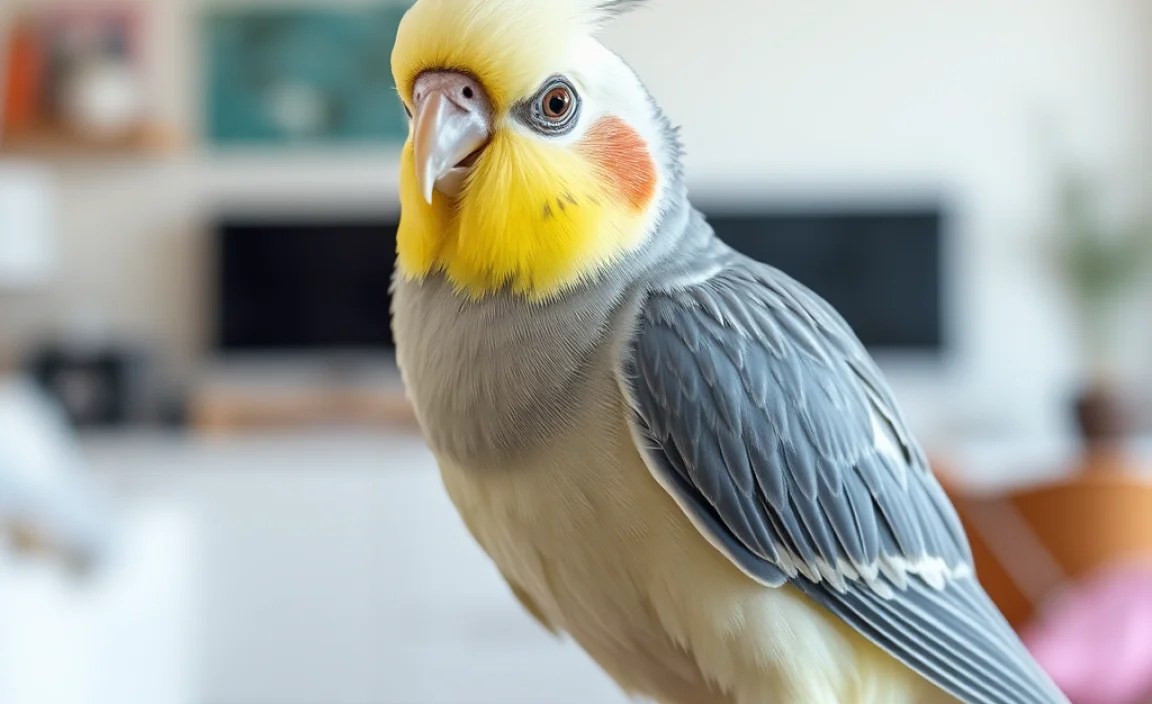
Monitoring temperature and air quality. Ensuring safe interactions with pets.
How can you ensure a safe environment for your cockatiel?
Keep the temperature constant and check the air often. Cockatiels need cozy spaces with no drafts. The air should be free from smoke and strong smells.
How can you manage your cockatiel’s interaction with other pets?
- Supervise interspecies playtime. Cockatiels are curious, so ensure dogs or cats stay gentle.
- Designate safe zones. Create spaces where your cockatiel can roam without unexpected encounters.
Monitoring the surroundings keeps your feathered friend happy and healthy.
Understanding your cockatiel’s needs can make them feel at home. “A happy bird is a healthy bird” is a quote many bird lovers live by. Did you know that air quality affects a bird’s mood? Clean, fresh air keeps them chirpy all day. Always keep this in mind for a joyful and thriving pet.
Setting Up a Safe Roaming Zone
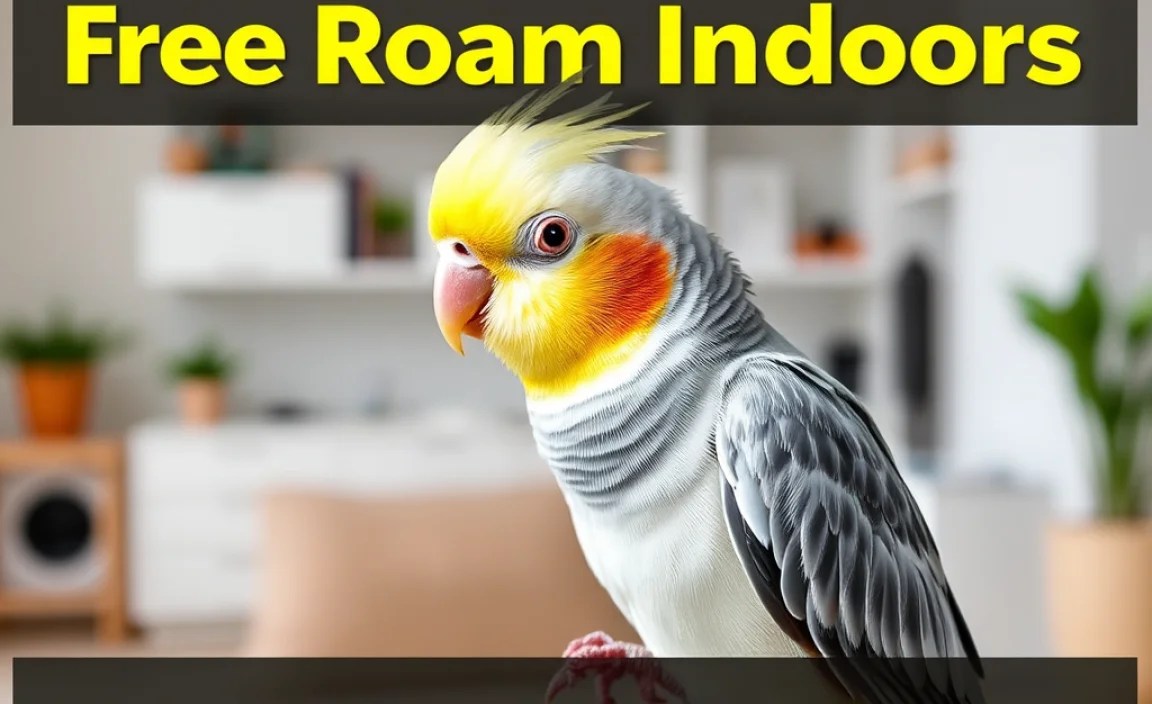
Selecting an ideal location in the home. Providing access to toys and perches.
Choose a cozy, quiet spot in your home where your cockatiel can roam. Make sure it’s free from dangers like loose wires or open windows. Add some fun activities to the area to keep your feathered friend busy:
- Toys: Offer colorful balls and swings.
- Perches: Place a few perches for resting.
Create a safe play zone, and your cockatiel will enjoy exploring and having fun!
Why should you give your cockatiel room to roam?
Room to roam helps keep cockatiels healthy both physically and mentally. They need space to stretch their wings and explore. This makes them happy and keeps them from getting bored. Also, it helps them exercise and stay fit!
Experts say that regular exploration time keeps pet birds active and engaged. “When birds have room to explore, they learn and stay happy,” notes a bird care specialist. According to a pet study, birds that get enough playtime are smarter and more social.
Training Your Cockatiel for Free Roaming
Stepbystep approach to training. Using positive reinforcement methods.
Training your cockatiel to roam free and safe takes patience. Begin by choosing a safe and quiet spot. Guide them with gentle steps, keeping stress low:
- Place your hand as a friendly perch.
- Let them hop onto your finger.
- Walk around a small space with them.
- Reward with a treat and praise.
Positive reinforcement is key. Give a treat for each good behavior. This makes them feel happy and safe.
How can I tell if my cockatiel is ready to roam?
If your cockatiel steps up confidently on your hand and explores calmly, it’s a good sign they feel safe and ready to roam. Always observe them closely during this process.
Daily Routine and Supervision
Establishing a consistent schedule. Effective supervision strategies.
Every cockatiel needs a daily routine, just like we do. Imagine your bird having its own little calendar! Establishing a schedule helps it feel safe and predictable. Try setting specific times for play, meals, and rest. This way, your feathered friend can look forward to each exciting part of its day. Now, for supervision: think of yourself as a bird babysitter. When your cockatiel is exploring, keep an eye on it to make sure it’s not getting into mischief. Try using a checklist like the one below to stay organized:
| Time | Activity | Supervision Task |
|---|---|---|
| 9 AM | Breakfast | Monitor eating |
| 11 AM | Playtime | Ensure safe toys |
| 2 PM | Naptime | Quiet area |
| 4 PM | Free roam | Watch for hazards |
While your bird roams, notice if it heads toward anything curious like shiny objects or sneaky wires. Albert Einstein once said, “Play is the highest form of research,” and your cockatiel seems to agree! Keep dangers away and enjoy the journey of safe exploration together. Joyful flapping awaits!
Common Problems and Solutions
Addressing behavioral issues. Managing potential escape attempts.
Ever found yourself saying, “Where did that feathered ninja go again?” Managing a cockatiel can be like keeping track of a tiny, feathered Houdini! Some cockatiels turn into feathered detectives, examining every nook and cranny for an escape route. To prevent this, ensure all windows are locked, and place screens on doors.
Behavioral issues, like biting or loud squawking, can often stem from boredom. Keeping your bird entertained is key. Offer toys, like bells or mirrors. If all else fails, put on some tunes—they may even surprise you with a little dance!
| Problem | Solution |
|---|---|
| Biting | Provide toys and engage |
| Escape Attempts | Secure windows and doors |
| Loud Squawking | Play music or talk softly |
As always, remember, a little patience goes a long way. They’re not called “parroty” for nothing—a little seed of encouragement surely helps!
Enrichment and Bonding Activities
Interactive play ideas. Encouraging social interaction with humans.
Keeping your cockatiel happy and healthy involves fun activities. Interactive play can include teaching them simple tricks or playing with bird-safe toys. Try activities such as:
- Paper shredding with a cup or paper towel roll.
- Moving through a mini obstacle course.
Encouraging social interaction is key. Talk to your bird or offer it gentle head scratches. Spend time together and let them perch on your hand or shoulder. Bonding helps to build trust and makes your cockatiel feel loved.
How often should I engage with my cockatiel?
Interaction time: Spend at least 1-2 hours daily with your cockatiel to strengthen your bond and keep them happy. Give it time for play, talk, and cuddles. Every bit helps in forming a friendly relationship between you and your feathered friend.
Health and Wellness Considerations
Monitoring diet and exercise. Recognizing signs of illness or injury.
Just like us, cockatiels need to eat well and stay active. You can offer them a “cockatiel cuisine” menu with seeds, fruits, and veggies. Watch them munch away like tiny, feathery food critics! Make sure they have space to flap those wings so they can work off any extra bird calories.
Keep an eye out for any hints of illness or injury. They might not say “Ouch,” but if they’re too quiet or not flying as much, take note. It’s like when you skip saying “I’m fine,” but your face tells a different story.
| Diet Tips | Exercise Ideas |
|---|---|
| Seeds | Short flights |
| Fresh fruits and veggies | Climbing toys |
Final Tips for Success
Maintaining patience and consistency. Adapting to your cockatiel’s unique needs.
What does it mean to let a cockatiel free roam?
Free roaming means your cockatiel gets to explore outside its cage. It wanders around the house safely under your watch. This helps them stay active and happy. A cockatiel finds new things to see and do. It can stretch its wings, which keeps it healthy.
How can you make your home safe for a cockatiel?
- Block open windows and mirrors: They may fly into them.
- Cover electric cords: Tuck them away, so birds don’t bite them.
- Keep the kitchen off-limits: Hot stuff can harm them.
They need a hazard-free zone to play safely.
Maintain patience with your bird. They learn at their own pace. Consistently show love and care. Your bird will trust you more each day. Next, learn your bird’s habits. Every cockatiel is unique. Maybe yours likes quiet time or playing with toys. Adapt to what it likes and dislikes. Meeting its needs will build a strong friendship between you and your bird.
Conclusion
Letting your cockatiel free roam safely involves bird-proofing your space and close supervision. Ensure you remove hazards and cover windows. Train your cockatiel gradually to feel comfortable. Always keep an eye on them while they explore. Practice patience and learn more about cockatiel care to keep them happy. Explore further resources for more tips and fun activities.
FAQs
What Preparations Should Be Made In The Home To Ensure A Safe Environment For A Free-Roaming Cockatiel?
To keep a cockatiel safe, you can remove plants that might be harmful. Keep windows and doors closed so it doesn’t fly away. Hide wires and cords, so the bird doesn’t chew them. Put away sharp or small objects it could swallow. Keep other pets out when the cockatiel is flying around.
Are There Specific Times Of Day That Are Best For Allowing A Cockatiel To Free Roam?
Yes, there are good times to let your cockatiel explore. Morning is great because they’re usually full of energy. Afternoons work too if they’re awake and active. Make sure they’re not tired or ready to sleep. Always keep an eye on them to make sure they’re safe.
How Can I Train My Cockatiel To Return To Its Cage After Free-Roaming Time?
To train your cockatiel to return to its cage, use treats. Hold a favorite treat inside the cage. Call your cockatiel’s name gently and wait. Move slowly so it feels safe when going back. With practice, it will learn to return on its own.
What Are The Potential Dangers To Be Aware Of When Allowing A Cockatiel To Roam Freely In The House?
When a cockatiel flies around the house, it can get hurt. It might bump into windows or mirrors, thinking they can fly through them. It could chew on wires, which is dangerous. You also have to be careful it doesn’t escape through open doors or windows. Always watch your cockatiel to keep it safe.
How Can I Make Sure My Cockatiel’S Dietary And Hydration Needs Are Met While It Is Free Roaming?
To make sure your cockatiel gets enough food and water when it’s free, put food and water dishes in places it can reach easily. Make sure the dishes are clean so your bird stays healthy. Check the dishes every day to see if they are full. Offer fresh fruits and veggies, too, as a treat!
Comments