
Imagine a bird with feathers as colorful as a rainbow. This is what you might see when looking at cockatiels. But how did these birds get their beautiful colors? It all starts with a fun story. Once upon a time, cockatiels had only one color. But curious bird lovers wanted more. They began to breed cockatiels to create new colors. They discovered amazing shades like pastel, grey, and even yellow. Do you like surprises? Well, each new color was a surprise for them, too! Breeding cockatiels for color mutations became like a game for people. Can you guess which color might come next? This game of colors has a rich history. It tells us about people’s love for these charming birds. Want to know more about this colorful adventure? Keep reading!
Exploring The History Of Cockatiel Color Mutation Breeding

Have you ever seen a cockatiel with bright colors? These birds weren’t always like this. Color mutation breeding began in the 20th century. Breeders spotted unique colors and bred them for generations. This led to a rainbow of shades in cockatiels. Imagine a bird with the colors of sunshine! Today, there are many beautiful variations. It’s like nature’s art with each bird. Isn’t it amazing what breeders can achieve?
Origins of Cockatiel Color Mutations

Earliest recorded mutations in cockatiels. Initial recognition and study of color variations.
Once upon a time in the land of birdkind, cockatiels were dressed in their natural gray. But nature had other colorful plans! Color mutations in cockatiels first popped up in the early 1900s. Breeders, like enthusiastic artists, started noticing strange and exciting hues. These color changes were like mysterious magic, giving wings a fresh coat of paint. Curious minds documented these phenomena, and soon, the world of science was buzzing with excitement.
Here are some fascinating details about these earliest mutations:
| Year | Mutation | Notes |
|---|---|---|
| 1919 | Lutino | Introduced the beautiful yellow and white plumage. |
| 1951 | Cinnamon | Led to a soft brownish shade. |
If cockatiels could host a fashion show, these mutations would definitely steal the spotlight! From Lutino’s sunny disposition to Cinnamon’s warm glow, every mutation added a sprinkle of magic. So, if you ever see a cockatiel sporting these colors, give them a nod for being the pioneers of birdie couture!
Development of Breeding Techniques
Key breeding methodologies used for mutation propagation. Influential breeders and their contributions.
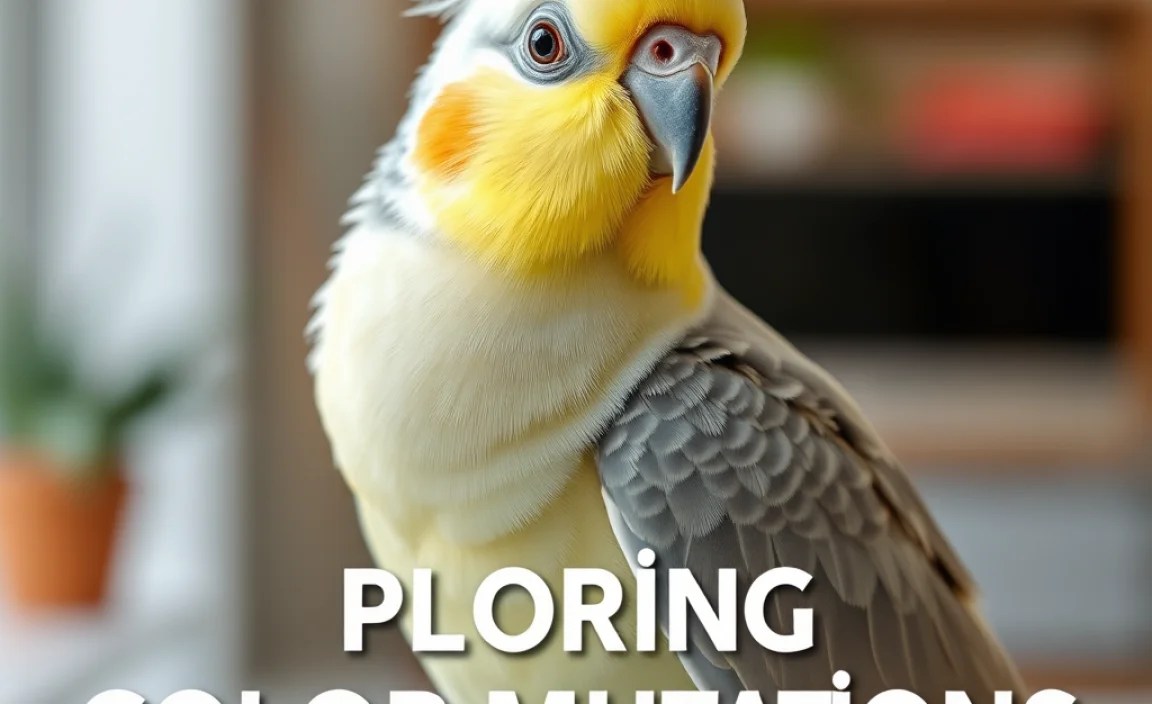
In the world of colorful cockatiels, breeders became like artists with a feathery canvas. They devised clever techniques to propagate new mutations. One approach was pairing birds with desired traits, ushering in a palette of splendid shades. Influential breeders, like Bill & Aileen, left a significant mark. Their contributions brought not just colors but tales of quirky chirps and feathery friendships. Did you know that cockatiels can sport up to 14 color mutations? Feathertastic!
| Breeding Method | Goal |
|---|---|
| Selective Pairing | Enhance specific colors |
| Crossbreeding | Combine diverse traits |
Thanks to these pioneers, aspiring breeders today can enjoy a vibrant assortment of cockatiels, each with its own character. And remember, every new color on a cockatiel is like a feather in their cap! Or on their wing. Be sure to keep your eyes open for the next big color sensation in the cockatiel world!
Major Cockatiel Color Mutations Over Time

Description and history of the lutino mutation. Evolution and significance of the pied mutation.
The world of cockatiels is like a magical art show with vivid colors taking center stage. Once upon a time, lutino cockatiels made their dazzling debut. Their bright yellow feathers, void of melanin, charmed bird lovers all over. But let’s not forget the famous pied mutation, where feathers danced in patches of yellows and greys, like a Picasso painting with wings! This gave them a unique and artistic flair.
These color changes aren’t just for looks; they tell a story of bird evolution and adaptability. The lutino and pied mutations showed breeders how nature could sometimes take an unexpected (and colorful!) detour. Did you know the lutino appeared around the 1950s, and the pied mutation took flight in the 1950s as well? Together, they paved the way for other stunning hues.
Here’s a quick peek at their colorful history:
| Color Mutation | Year of Emergence |
|---|---|
| Lutino | 1950s |
| Pied | 1950s |
Why do cockatiels have color mutations? Simple! They’re like bird fashionistas, always looking to capture attention and be a bit different from the flock. Just remember, these feathered wonders remind us that nature isn’t always black and white; sometimes it’s gloriously golden!
Global Impact of Color Mutations
Expansion of color mutations in different regions. Influence on the global aviculture community.
The colorful world of cockatiels continues to grow. Different places see new color mutations all the time. This diversity adds charm and sparks interest. People from around the globe connect because of these lovely birds. Aviculture, the hobby of keeping birds, thrives with fresh ideas and shared experiences.
- Expanding Reach: Asia leads in new mutations.
- Connecting Enthusiasts: Shared love unites countries.
- Boosting Knowledge: Exchanges enrich learning.
Are you curious about how these changes influence bird lovers worldwide?
How have color mutations influenced global aviculture?
Color mutations in cockatiels have transformed global aviculture by increasing interest and connectivity. They bring enthusiasts together and foster educational exchanges. This colorful evolution promotes a vibrant community dedicated to bird keeping. These connections make the pastime more exciting and accessible.
Challenges in Breeding Color Mutations
Genetic complications and health considerations. Breeding ethics and industry guidelines.
What makes breeding color mutations hard?
Creating new colors in cockatiels can be tough. There are genetic issues to consider. Mutations can cause health problems in baby birds. They might have weak bones or other issues. So, breeders must be careful.
Steps to consider:
- Study bird genetics.
- Follow ethical guidelines.
Breeders need to understand these risks. They should follow ethical rules and standards. This keeps birds safe and happy. It also helps maintain the beauty of these amazing birds for everyone to enjoy.
The Future of Cockatiel Color Mutation Breeding
Innovations in breeding practices. Predictions for new mutations and their implications.
The journey of cockatiel color mutation is like a magical rainbow with potential new hues on the horizon. Recent innovations in breeding practices have brightened possibilities even more than your favorite kaleidoscope. Breeders are now using advanced techniques to encourage fascinating variants, like a scientist in a lab coat mixing things up! As folks predict new mutations, they might discover shades yet unseen. Could we soon have a neon cockatiel? Imagine the possibilities! New colors may boost the pet world’s excitement, making these birdies the next trendsetter. Technology like genetic mapping fosters this creativity further, ushering the flock into an era of vibrant visual delight. This evolving art not only serves science but adds a splash of excitement to pet owners worldwide.
| Innovations | Implications |
|---|---|
| Genetic Mapping | Spotting new hues |
| Advanced Techniques | Enhanced breeding outcomes |
| New Mutations | Colorful pet market |
Conclusion
The history of cockatiel color mutation breeding shows how their beauty evolved over time. We learned that dedicated breeders create new colors. If you’re interested in this, you might enjoy reading more or even visiting a breeder. Let’s keep exploring to discover how these cute birds continue to amaze us!
FAQs
What Is The Origin And History Of The First Known Cockatiel Color Mutation In Captivity?
The first color change in captive cockatiels was a yellow or “lutino” look. It appeared in Australia in the 1950s. A man named Maurice Frost bred the first yellow cockatiel. These bright birds quickly became popular pets. People loved their sunny color.
How Have Selective Breeding Practices Influenced The Development Of New Cockatiel Color Mutations Over The Years?
Selective breeding is when people pick certain birds to be parents because of their pretty colors. Over the years, this helped create new and different color patterns in cockatiels. We now have birds with fun, unique colors like Lutino (yellow), Pied (mixed), and Pearl (spots). This makes them even more interesting to look at and keeps them popular pets!
What Role Did Pioneering Aviculturists Play In The Spread And Diversification Of Cockatiel Color Mutations Worldwide?
Pioneering aviculturists are people who love and study birds. They helped spread different cockatiel colors around the world. By carefully breeding cockatiels, they created new, pretty color patterns. Their work made it possible for us to see cockatiels in lots of beautiful colors today. These aviculturists shared their colorful birds with people everywhere.
What Are The Genetic Principles And Challenges Involved In Breeding Cockatiels For Specific Color Mutations?
When we breed cockatiels, we need to understand their genes, which are like little instructions in their bodies. These genes decide what colors they can be. We match birds with the right genes to get the colors we want, like yellow or white. But it’s challenging because not all genes show their colors in babies. Sometimes, we have to try many times to get the perfect fluffy friend.
How Have Color Mutations In Cockatiels Impacted Their Popularity And Status As Companion Birds Over Time?
Color mutations in cockatiels have made them even more loved as pets. These color changes mean they can be gray, white, yellow, or even pearly. We love having all these choices because it makes each bird special. Because of these new colors, more people want to have cockatiels as pets. They become even more popular and fun to have around.